Amazon Research: Ancient Sediments Warn of Global Environmental Threat
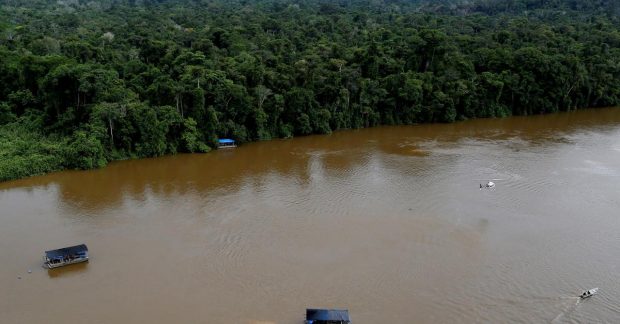
Scientists have discovered that fires in the Amazon were a result of human activity rather than natural processes. Today, the combination of climate change and the El Niño phenomenon is pushing these forests to the brink of irreversible transformation.
 🧠AI Analysis
Photo: UNIAN
Key points
- Sediment analysis confirms the anthropogenic nature of Amazon fires
- El Niño intensifies drought and leaves forests vulnerable
- Loss of self-sustaining capacity threatens the global climate
An analysis of ancient sediment samples in the Amazon has revealed that during the last glacial period, the region's forests were largely unaffected by fire. Large-scale wildfires became a regular occurrence only after human intervention, as people began using fire to clear land. This historical dynamic underscores the ecosystem's vulnerability to human impact.
Climate Pressure and Global Risks
The situation has been exacerbated by the El Niño climate phenomenon, which causes prolonged droughts by preventing the formation of rain clouds. Recent observations point to a critical drop in water levels in the Rio Negro, marking the lowest levels recorded since 1902. Oxford University researcher Erika Berenguer compared the forest's condition to an organism with a weakened immune system: "It's like being sick and then catching an infection."
Scientists warn that if the Amazon loses its ability to maintain its own moisture cycle, vast areas could turn into savannas. This would be a disaster for the global climate, as the region serves as the planet's primary carbon sink.
Source UNIAN — unian.ua/ecology/el-nino-ta-globalne-poteplinnya-vbivayut-lisi-amaz… ↗
Read next
 🛡️Security
Lithuania denies Russian allegations of using its airspace for drone attacks
The Lithuanian Foreign Ministry has officially rejected claims by the Russian side regarding alleged drone launches from its territory towards the Kaliningrad region.
 🎭Culture & Sport
Kitchen trends: how to optimize space in Chernivtsi apartments
Interior designers advise moving away from bulky dining tables in favor of compact solutions that resemble cozy cafes.
 🛡️Security
Explosions and smoke reported in Russia's Krasnodar near military facility
On the night of November 22, Krasnodar was targeted by drone strikes, resulting in smoke near a Russian National Guard base.
 🏛️Politics
Donald Trump comments on the resignation of press secretary Caroline Leavitt
U.S. President Donald Trump expressed regret over the departure of White House press secretary Caroline Leavitt, who left her post to focus on her family after the birth …
 🩺Health
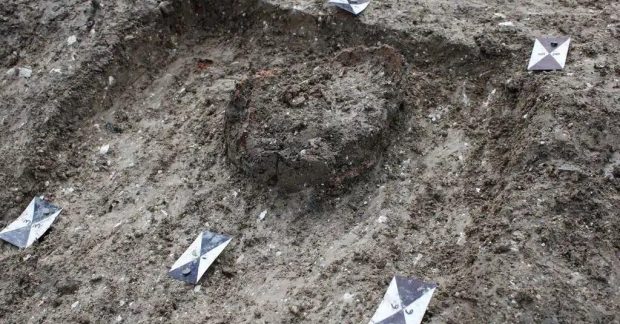
Archaeological discovery in Britain: unique Roman-era infant burial found
Archaeologists in Buckinghamshire have uncovered a rare Roman-era infant burial inside a ceramic vessel, accompanied by ritual offerings.
 💼Economy
Donald Trump publicly reaffirms friendly attitude toward Vladimir Putin
US President Donald Trump posted a photograph with the Russian leader, captioning it with a reference to friendship despite international criticism.