Tips for Chernivtsi Households: How to Increase Poultry Productivity
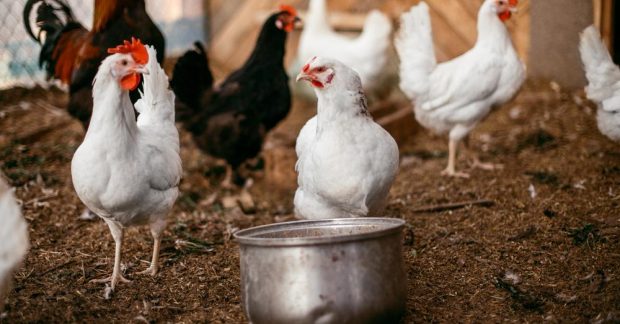
Experts shared insights on keeping laying hens, factors affecting egg production, and secrets of poultry care for the private sector.
 🏙️City
Photo: UNIAN
Key points
- Average production is 216 eggs, but top breeds can reach 320 per year.
- Egg shell color (white, blue, green) is determined solely by genetics.
- Calcium and Vitamin D are essential for maintaining shell and bone strength.
For many residents of Chernivtsi, especially those living in the private sectors of Sadhora, Rosha, or Klokuchka, poultry farming remains a vital part of the household. Poultry efficiency depends not only on the breed but also on a proper understanding of the birds' biological cycles. According to experts, the average productivity of a single hen is about 216 eggs per year, though some breeds can produce up to 320 eggs. Most birds start laying at four months of age, while some may take up to a year to reach maturity.
Genetics and Productivity Features
The productive period of a laying hen lasts approximately until the age of six. After this period, egg production significantly decreases to one or two eggs per week. An interesting fact for local owners is that shell color depends solely on genetics and breed. All eggs initially have white shells, and they acquire their final shade (brown, blue, or green) through natural pigments during the final stage of formation. This does not affect the nutritional value but serves as a key characteristic of a specific breed.
Diet and Housing Conditions
A chicken's digestive tract is short, and food passes through it in just 3–4 hours. Due to low bacterial fermentation, the diet must be balanced. "The diet of chickens mainly includes starch, proteins, fats, vitamins, and minerals," experts note. The main components should be grains like corn, wheat, barley, and protein sources such as soybean meal or peas. For shell strength, it is critical to provide birds with calcium and Vitamin D.
Avoiding Stress in the Coop
Stress is the primary enemy of high egg production. For consistent results, owners are advised to follow a strict routine: feed the birds at the same time, ensure constant access to clean water, and maintain cleanliness in the coop. An interesting method for odor control in November involves using common baking soda suspended in a sock inside the coop to neutralize unpleasant fumes. Comfortable conditions and the absence of sudden changes in care allow the birds to reach their full genetic potential.
Source UNIAN — unian.ua/curiosities/kuri-nesuchki-yaki-porodi-dayut-naybilshe-yaye… ↗
Read next
 💼Economy
Winter Vacation in the Carpathians 2026-2027: Overview of Prices and Resorts
Analysis of winter season costs in the Carpathians: comparing accommodation and entertainment expenses in Bukovel and Drahobrat.
 🧠AI Analysis
Fire at Novoshakhtinsk oil refinery: consequences for the region
A strong fire broke out at an oil refinery in the Russian city of Novoshakhtinsk after nighttime explosions.
 🛡️Security
Electricity supply restored in Rivne region following enemy attack
Energy workers have fully restored power to settlements in the Sarny district that were blacked out after a Russian strike on November 20.
 👥Society
Autumn Rose Garden Care: Expert Tips for Winter Preparation
Gardeners emphasize the importance of timing rose pruning correctly to ensure successful winter survival and lush blooms next year.
 🛡️Security
Estonia supports Ukraine's right to self-defense following incident in the Gulf of Finland
Estonian Foreign Minister Margus Tsahkna stated that the strike on a Russian vessel is a consequence of Russian aggression, affirming Ukraine's right to defend itself.
 🛡️Security
Elderly woman rescued from rubble in Dymer as death toll rises
Search and rescue operations continue in the Kyiv region following a drone strike on a residential building.