UN International Court of Justice Rules Myanmar Committed Genocide Against Rohingya
In a historic first, the ICJ has held a state responsible for genocide, ordering Myanmar to compensate victims and prevent future atrocities.
 🏛️Politics
Photo: Ukrainska Pravda
Key points
- Myanmar was officially found guilty of genocide against the Rohingya people.
- The court ordered the country to pay reparations and ensure the safe return of refugees.
- The ruling sets a legal precedent for other cases, including Ukraine's claims against Russia.
The UN International Court of Justice (ICJ) in The Hague has delivered a landmark ruling, finding Myanmar responsible for committing genocide against the Rohingya ethnic minority. This marks the first time in history that the United Nations' highest court has officially held a state accountable for such a grave crime. The judges determined that during the so-called "clearing operations" in 2017 in northern Rakhine State, the country violated its international obligations.
Scale of Atrocities and Legal Mandates
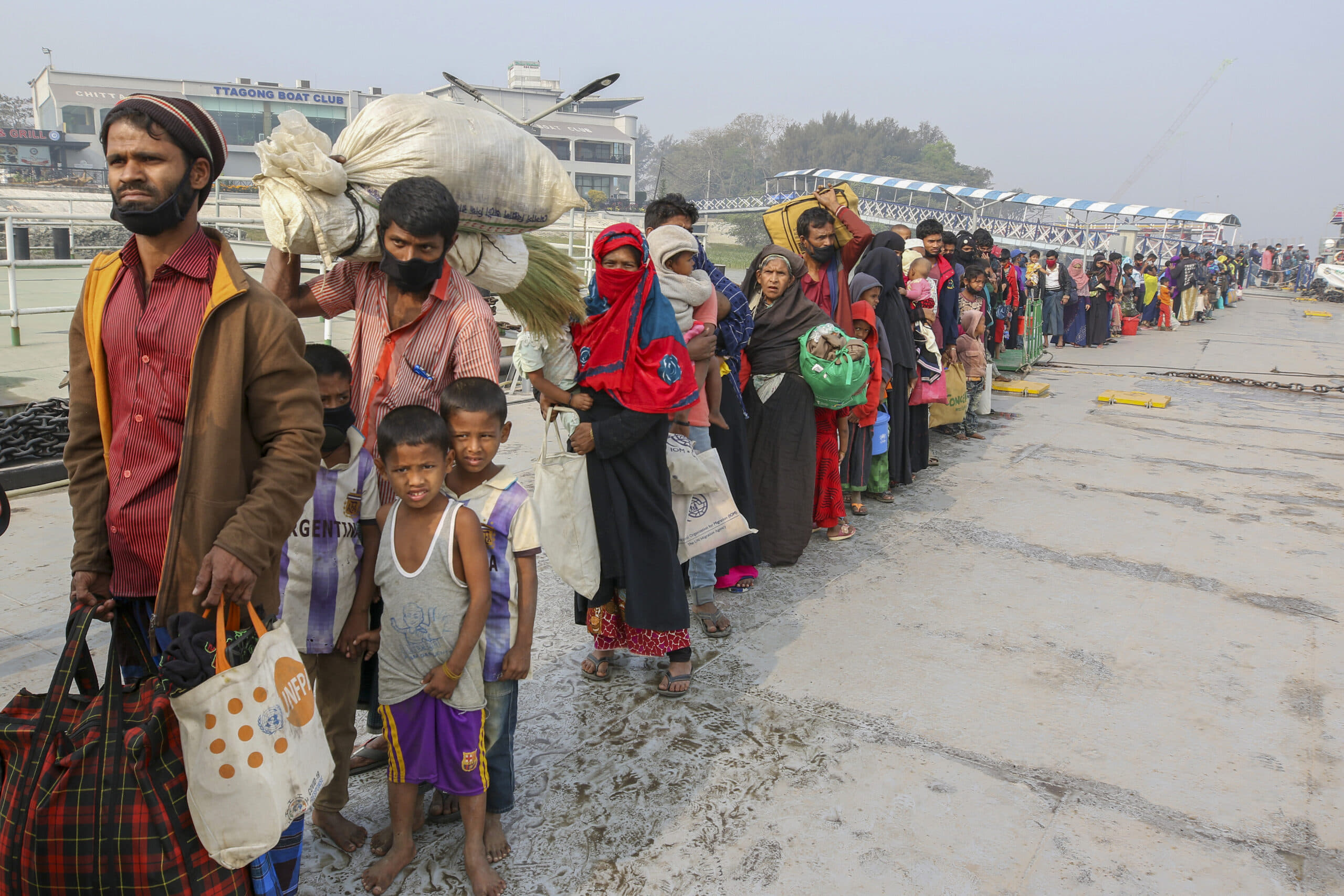
According to the case materials, the military operation conducted by Myanmar's armed forces forced over 700,000 Rohingya, a predominantly Muslim minority, to flee across the border into Bangladesh. Survivors reported mass killings, gang rapes, and the systematic burning of villages. Currently, over one million Rohingya live in refugee camps in Bangladesh, while fewer than 600,000 remain in Myanmar.
The court did not merely state the facts of the crime but issued a series of strict demands to Myanmar. The country is obligated to immediately cease violations of the Genocide Convention, conduct a transparent investigation, and prosecute those responsible. A specific provision emphasizes the need to ensure the safe return of refugees, restore their rights, and pay financial compensation to the victims.
A Precedent for Global Justice
The case was brought to the ICJ in 2019 by The Gambia on behalf of the Muslim community. Proving genocide is significantly more difficult than proving war crimes, as it requires evidence of a specific "intent" to destroy a national, ethnic, racial, or religious group. In this instance, the court identified a clear pattern of behavior aimed at the destruction of the ethnic group.
This ruling establishes a foundation for other high-profile cases. Specifically, it may influence proceedings regarding the situation in the Gaza Strip and Ukraine's lawsuits against the Russian Federation. International justice has demonstrated that state immunity does not shield a country from responsibility for crimes against humanity, even if the path to a final verdict takes years or decades.
Source Ukrainska Pravda — pravda.com.ua/news/2026/11/19/8063626/ ↗
Read next
 💼Economy
Winter Vacation in the Carpathians 2026-2027: Overview of Prices and Resorts
Analysis of winter season costs in the Carpathians: comparing accommodation and entertainment expenses in Bukovel and Drahobrat.
 🧠AI Analysis
Fire at Novoshakhtinsk oil refinery: consequences for the region
A strong fire broke out at an oil refinery in the Russian city of Novoshakhtinsk after nighttime explosions.
 🛡️Security
Electricity supply restored in Rivne region following enemy attack
Energy workers have fully restored power to settlements in the Sarny district that were blacked out after a Russian strike on November 20.
 👥Society
Autumn Rose Garden Care: Expert Tips for Winter Preparation
Gardeners emphasize the importance of timing rose pruning correctly to ensure successful winter survival and lush blooms next year.
 🛡️Security
Estonia supports Ukraine's right to self-defense following incident in the Gulf of Finland
Estonian Foreign Minister Margus Tsahkna stated that the strike on a Russian vessel is a consequence of Russian aggression, affirming Ukraine's right to defend itself.
 🛡️Security
Elderly woman rescued from rubble in Dymer as death toll rises
Search and rescue operations continue in the Kyiv region following a drone strike on a residential building.