Human Rights Defenders Explain Risks of Restoring Military Courts in Ukraine
Lawyers from the "Pryncyp" human rights center for military personnel analyzed initiatives to establish military justice and explained why civilian courts remain a better choice for protecting soldiers' rights.
 👥Society
Photo: Ukrainska Pravda
Key points
- The "Pryncyp" center analyzed initiatives regarding the restoration of military courts.
- Military judges would be subordinated to the army vertical, creating pressure risks.
- Civilian courts have built substantial practice in handling military cases during the war.
- Human rights advocates suggest introducing judicial specialization instead of a new system.
The Debate Surrounding Military Justice
The issue of restoring the system of military courts and prosecutor's offices has returned to the spotlight amid the full-scale war. While the Temporary Special Commission of the Verkhovna Rada is processing relevant legislative initiatives, human rights organizations are closely examining the feasibility of such changes. Proponents of the reform usually argue that servicemen's cases should be reviewed by individuals with military experience, claiming civilian judges cannot fully grasp the specific realities of army life.
However, experts from the "Pryncyp" human rights center for military personnel warn against hasty steps. In their view, the core criterion must be the quality of legal protection and adherence to the fundamental principles of judicial independence, which guarantee fair trials for every Ukrainian soldier.
Why Subordinating Courts to the Military Vertical is Dangerous
The main threat of establishing a military court system lies in the conflict of interest and potential command influence. Military service relies on strict subordination and single-command principles, whereas adjudication requires absolute impartiality. If judges hold military ranks, the risk arises that the Ministry of Defence or the General Staff could interfere through rank promotions or disciplinary statutes.
"For a serviceman whose case is being reviewed, all this means a risk that the decision will be influenced by the command vertical rather than the law and the circumstances of the case," center analysts note.
Furthermore, previous years' experiences demonstrate attempts to increase liability exclusively for subordinates without a proper balance regarding the control of commanders' actions. According to experts, instead of creating separate courts, it is more effective to develop the specialization of existing civilian judges who have accumulated substantial practice during the wartime and can involve specialized experts when needed.
Source Ukrainska Pravda — pravda.com.ua/news/2026/11/20/8063800/ ↗
Read next
 💼Economy
Winter Vacation in the Carpathians 2026-2027: Overview of Prices and Resorts
Analysis of winter season costs in the Carpathians: comparing accommodation and entertainment expenses in Bukovel and Drahobrat.
 🧠AI Analysis
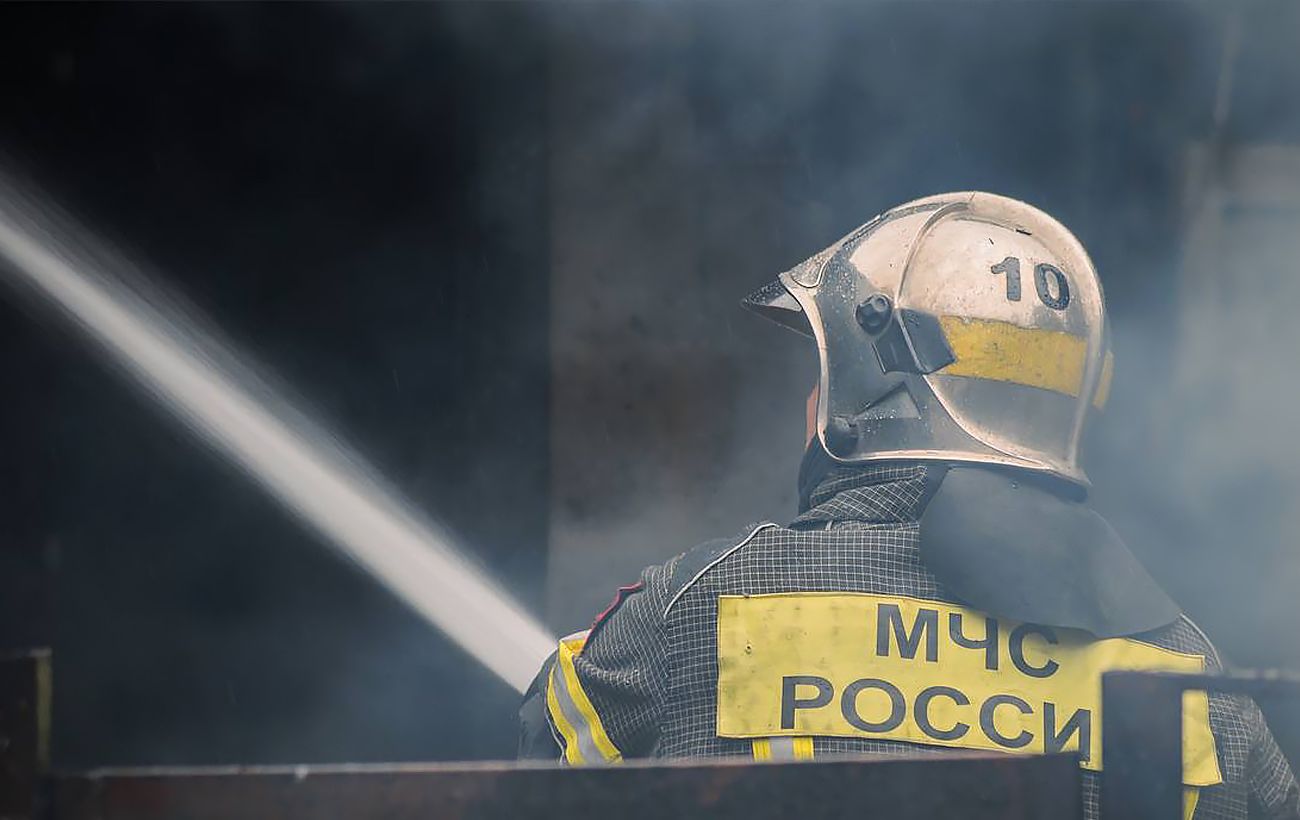
Fire at Novoshakhtinsk oil refinery: consequences for the region
A strong fire broke out at an oil refinery in the Russian city of Novoshakhtinsk after nighttime explosions.
 🛡️Security
Electricity supply restored in Rivne region following enemy attack
Energy workers have fully restored power to settlements in the Sarny district that were blacked out after a Russian strike on November 20.
 🛡️Security
Estonia supports Ukraine's right to self-defense following incident in the Gulf of Finland
Estonian Foreign Minister Margus Tsahkna stated that the strike on a Russian vessel is a consequence of Russian aggression, affirming Ukraine's right to defend itself.
 🛡️Security
Elderly woman rescued from rubble in Dymer as death toll rises
Search and rescue operations continue in the Kyiv region following a drone strike on a residential building.
 🛡️Security
Russian corvette 'Merkury' in Libya: Possible Ukrainian sea drone attack
A Russian warship exploded in the Libyan port of Benghazi, with reports from the Associated Press suggesting a possible attack by Ukrainian sea drones.