Microplastics in water: new study reveals hidden chemical danger
Scientists have discovered that microplastics in water are not just passive pollutants, but trigger chemical reactions that can damage cells.
 💡Tech
Photo: TSN
Key points
- Microplastics generate reactive oxygen species in water
- Polyethylene and polypropylene are the most active types
- Chemical reactions can cause damage to biological cells
- Heating plastic accelerates the release of micro-particles
Microplastics, long considered a passive pollutant, have been found to be significantly more dangerous than previously thought. Research conducted by experts from Columbia University and the University of California, Berkeley, demonstrates that plastic particles can initiate chemical reactions upon contact with water.
Chemical activity on plastic surfaces
When interacting with water, reactive oxygen species (ROS) form on the surface of microplastics. These molecules, including hydroxyl radicals, have the potential to damage proteins and DNA. Researchers tested six common types of plastic, including polyethylene and polypropylene, finding that all exhibit varying degrees of chemical activity.
Experiments using mouse red blood cells showed that contact with polystyrene leads to cell deformation and destruction. The study highlights that as plastic items break down into smaller fragments, the total surface area increases, thereby enhancing the potential for these chemical reactions to occur.
Source TSN — tsn.ua/zdorovya/mikroplastyk-vyiavyvsia-nebezpechnishym-niz-vvazaly-shc… ↗
Read next
 🚨Events
Car color as a reflection of character: what psychologists say about drivers' choices
Experts have analyzed how a vehicle's color can reflect its owner's psychological profile and what factors actually influence the decision-making process.
 🚨Events
Ukraine and the UK to Launch Joint Production of Strike Drones
The Ministries of Defense of Ukraine and the UK have signed an agreement to manufacture Ukrainian middle and deep strike drones at British facilities.
 ⚽Sport
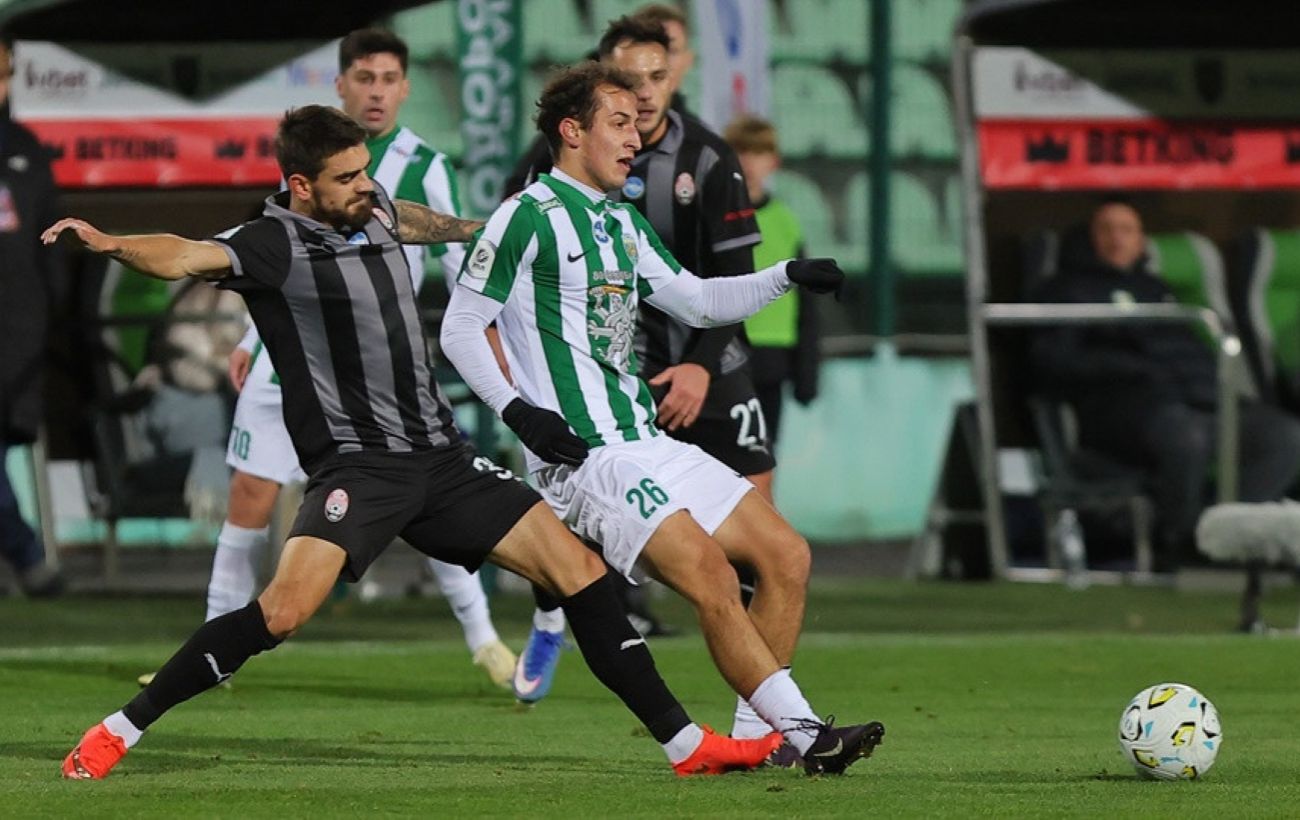
Historic Triumph: Karpaty Lviv defeat Zorya for the first time in UPL history
Karpaty Lviv secured their first-ever victory against Zorya Luhansk in the Ukrainian Premier League, ending an 18-match winless streak.
 🎭Culture & Sport
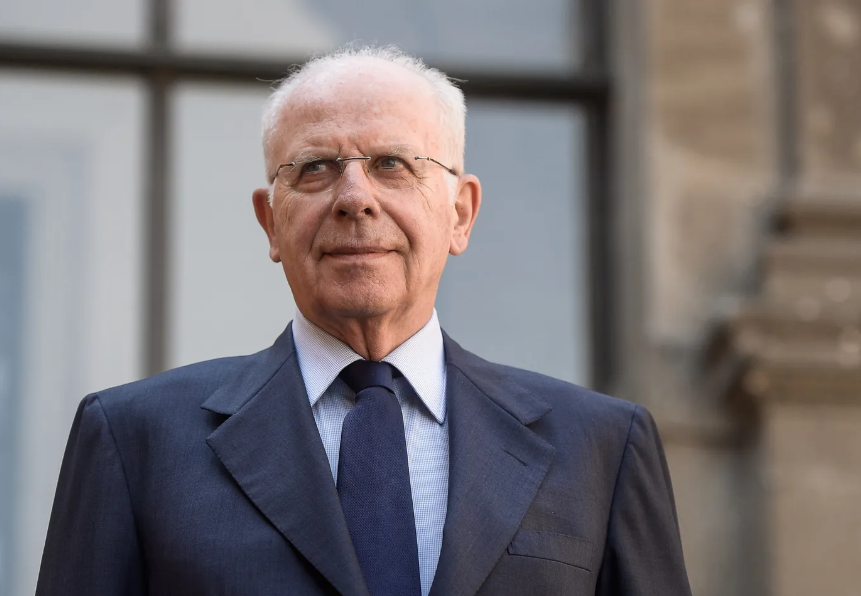
Paolo Bulgari passes away: The legacy of a jewelry icon
Paolo Bulgari, the long-time leader of the renowned Italian jewelry house, has died at the age of 89, leaving behind a legacy of global brand transformation.
 🎓Education
Continuity of Struggle: How UPA History Influences the Modern Ukrainian Army
The history of three generations of the Symchych family and the honoring of Yevhen Konovalets serve as a symbol of the ideological continuity of the Ukrainian liberation …
 🏛️Politics
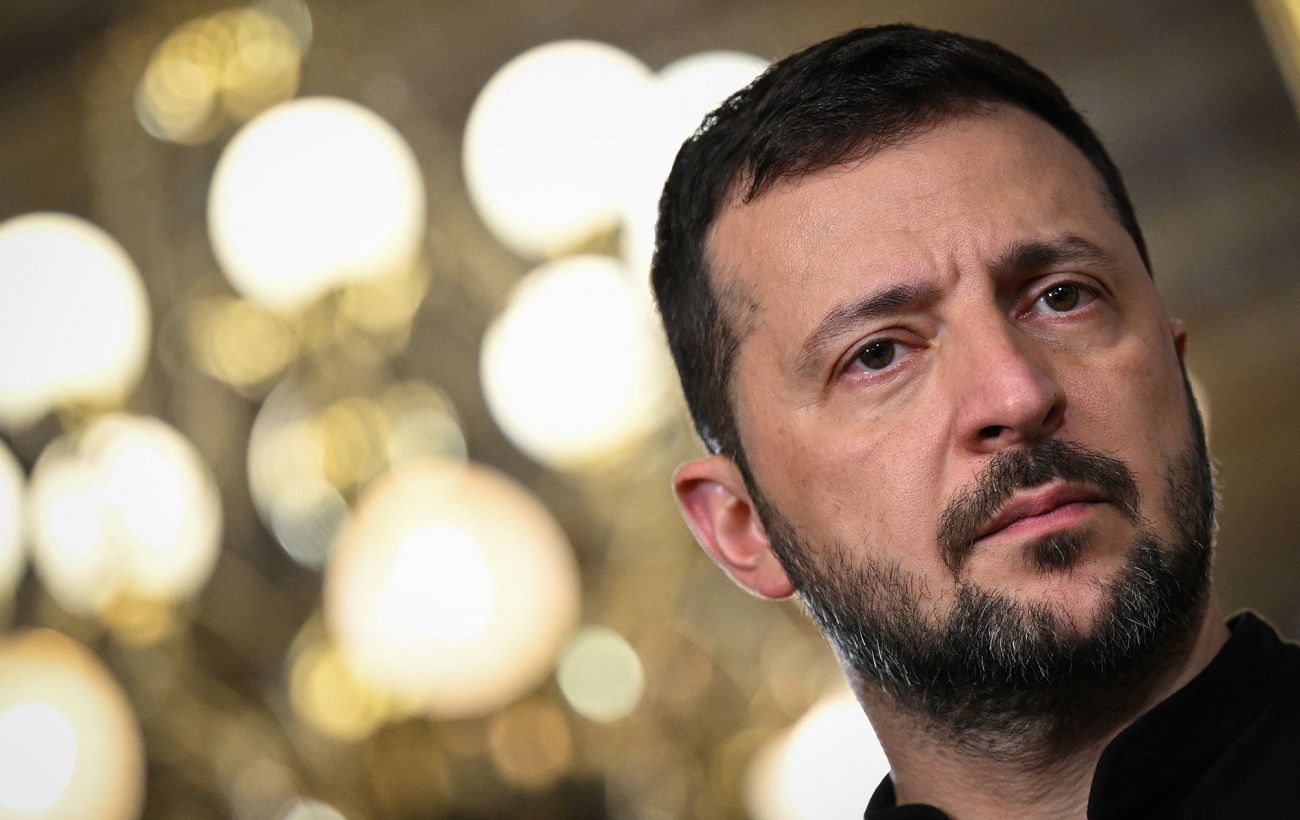
Zelenskyy: Ukraine seeks full NATO membership rather than vague security guarantees
President Volodymyr Zelenskyy stated that alternative security mechanisms cannot replace full membership in the Alliance.