Beyond Price and Chargers: Why Myths Remain the Biggest Barrier for Electric Vehicles
A global survey reveals that misinformation and false beliefs, rather than high costs or a lack of chargers, are the primary obstacles to EV adoption.
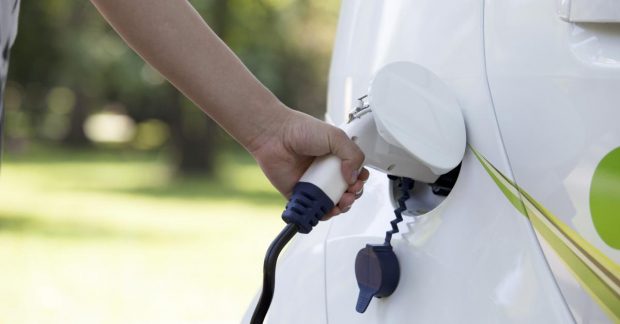 💡Tech
Photo: UNIAN
Key points
- 74% of surveyed drivers cite misinformation as the main barrier for EVs
- 72% fear rapid battery degradation, contrasting with actual owner satisfaction
- Ukraine recorded a drop in electric vehicle registrations in October
The global transition to electric mobility faces psychological hurdles that stretch far beyond financial constraints or charging infrastructure gaps. According to the Global EV Driver Survey 2026, which gathered insights from over 29,000 drivers across 34 countries, the single greatest barrier to broader adoption is misinformation. Roughly 74% of respondents identified common misconceptions about electric vehicles as the leading obstacle preventing wider acceptance.
Key Misconceptions Among Drivers
Among the most prevalent myths is the belief that EV batteries fail quickly, a concern cited by 72% of participants. Interestingly, this anxiety often contradicts actual ownership experiences; 65% of surveyed EV drivers stated they do not worry about battery lifespan, with only 18% expressing genuine concern. Additionally, 58% of respondents feared that electric cars pose a higher fire risk, while 45% believed that a mass shift to electric transport could severely destabilize local power grids.
Ellen Heap, a member of the Global EV Alliance steering committee, points out that overcoming these hurdles requires more than just financial subsidies and new charging stations. She emphasizes that bridging the information gap regarding the actual capabilities and limitations of modern vehicles is vital, as outdated stereotypes continue to shape public perception significantly.
Meanwhile, regional markets continue to fluctuate. In Ukraine, for instance, newly registered electric vehicles reached slightly over 5,000 units in October, showing a notable decrease compared to the previous year. This trend indicates that drivers remain cautious, weighing both economic realities and prevailing public narratives when choosing their next vehicle.
Source UNIAN — unian.ua/economics/auto/chomu-lyudi-ne-pospishayut-kupuvati-elektro… ↗
Read next
Chernivtsi launches new urban greening initiative to plant hundreds of trees and shrubs
Chernivtsi is expanding its urban green spaces with a new municipal initiative to plant hundreds of trees and shrubs across various locations in the city.
 🚨Events
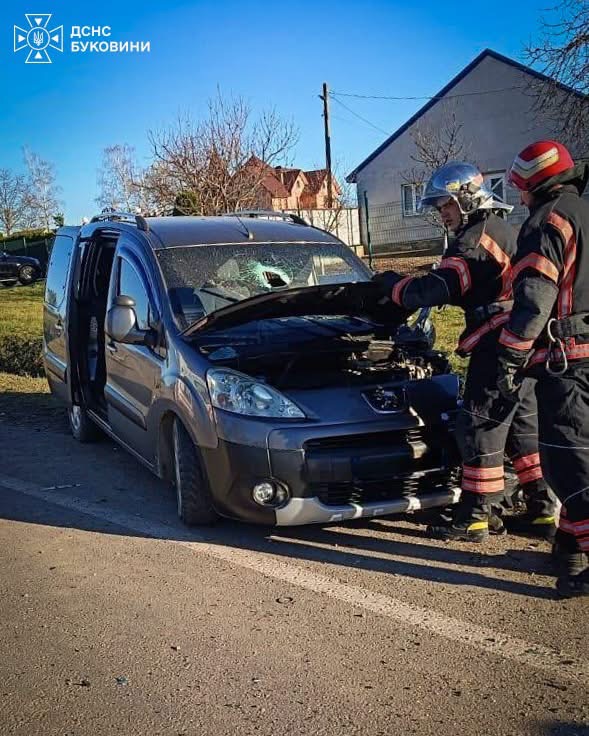
Traffic accident in Dynivtsi, Bukovina: two women injured
Two cars collided in the Chernivtsi district, resulting in injuries to two female passengers who were subsequently hospitalized.
 🛡️Security
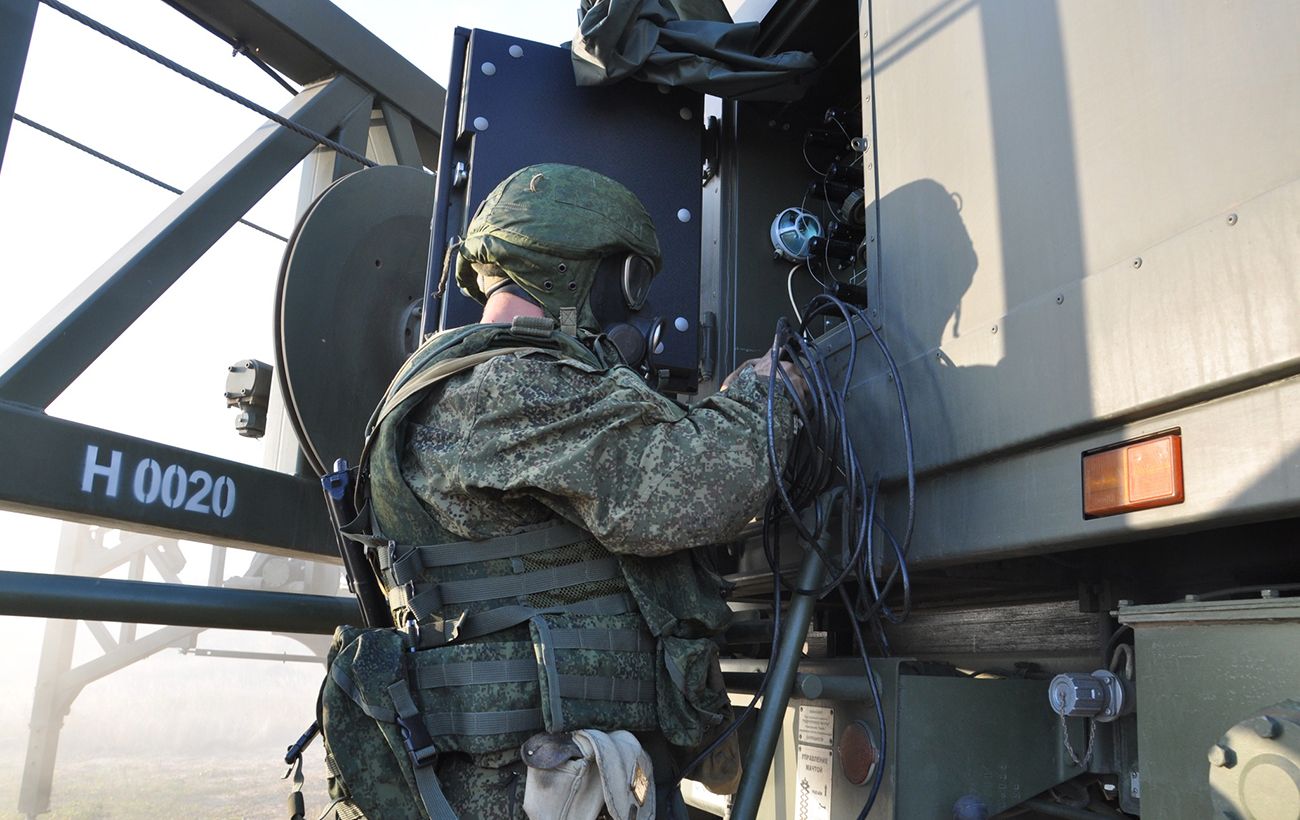
Air Assault Forces Deny Russian Claims of Remote Mining in Rylsk
Explosions in the center of Rylsk, Russia, resulted from the detonation of an ammunition depot set up by occupation forces inside a police station, rather than remote dro…
 🧠AI Analysis
Bukovyna authorities release power supply schedule for November 23 across twelve consumer groups
Residents of Chernivtsi region received tentative electricity supply schedules for November 23, divided into 12 distinct groups.
 🎭Culture & Sport
Actor Roman Yasinovskyi opens up about low salary and entry-level category at Franko Theatre
Ukrainian film and television star Roman Yasinovskyi admitted that his earnings at the Ivan Franko National Academic Drama Theatre fall short of his needs, while holding …
 🧠AI Analysis
Ukraine's EU Integration Path: Why Reform Quality Matters More Than Formal Reports
The European Commission's latest report on Ukraine highlights systemic issues with reform implementation, pointing to a gap between passed laws and practical outcomes.